
Web3 Powered Remittances
Sending money home from an Oportun account meant a Western Union counter or PayPal's fees. Our hackathon team put a remittance flow on Stellar rails, with the money landing in seconds for cents, and it won Most Creative Idea.
- Role
- Product Designer. Research, the flow, and the pitch
- Team
- Cross-functional design and engineering hackathon team
- When
- Oportun hackathon, one sprint
- Tools
- Figma, Stellar network, User research
What we pitched
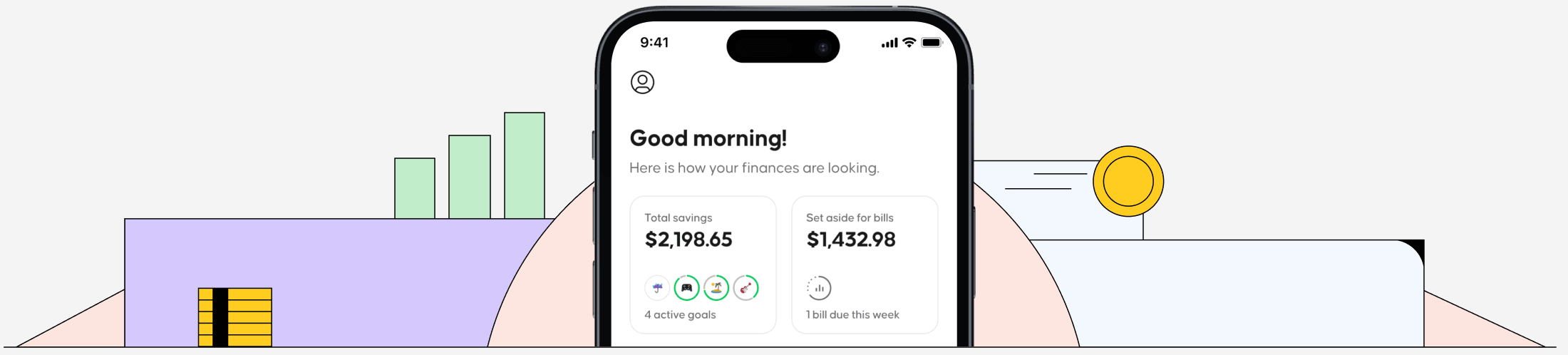
This one never shipped. It's a hackathon concept, it won Most Creative Idea, and everything on this page is labelled as the pitch it was. The flow puts remittances on the Oportun home dashboard next to savings and bills. Pick a recipient, pick an amount, confirm. Stellar settles it underneath in seconds, and the member never sees a token, a wallet seed, or a block explorer.
Why it needed to exist
Oportun exists to serve people traditional banks skip, and a big share of those members send money abroad every month. Western Union still runs on cash and storefronts. Wires are slow and opaque. PayPal is fast but takes 5 to 11% per transfer, and the person receiving the money often has no account.

“I always get nervous when it takes longer and sometimes I don't get a notification. The time it takes is most stressful.”Luis, Oportun member since 2017
Luis was typical. Members were already shopping around because nothing served them well, and the market sizing made the case for building it inside the app they already trusted.

The constraint that shaped the flow
We set the rule on day one. Crypto stays in the back end, and the product never asks a member to learn it. That single call drove the architecture. We picked Stellar for speed and near-zero fees, and for its anchor model, where regulated partners on each end handle the on-ramp and off-ramp in local currency.

Engineering sat in the room from the first whiteboard. We mapped which steps had to be on chain, which could stay in the existing Oportun stack, and where compliance and KYC landed. By prototype time the flow was feasible and scoped to something a hackathon could actually build.
What the research changed
We interviewed and surveyed more than 30 Oportun members who send money internationally. Speed was the anxiety. People watch the clock between sending and confirmation. A fee that looks small compounds fast at two or three sends a month, and the trip to a counter with cash in a pocket was its own barrier.
“The most frustrating thing [with Western Union] is that I have to go to a store to do it and carry cash with me.”Francisco, Oportun member since 2021
Francisco said what a lot of people said. The trip was as much of a barrier as the fee.
The research boiled down to three user stories, and the prototype got built against them.
I want the money to land in seconds so I am not sitting there wondering whether it went through.
I want to send from my phone instead of driving somewhere with cash in my pocket.
I want the fee small enough to ignore, so the money goes to my family and not a middleman.
What outlasted the weekend
The judges gave it Most Creative Idea, and the reason they believed it could ship is the part I'd repeat on any project. Design and engineering scoped it together from the first hour. Stellar, the anchor model, and where the MVP stopped all got decided in the same room.
The other keeper is the framing. Members get the Oportun app they already know, the back end gets Stellar's speed and cost, and nobody has to learn what an anchor is to send money home. The chain is plumbing.
And the honest ending is that it stayed a concept. Oportun never built it, so the win and the research are the whole outcome.